The Complete Guide to Identifying and Preventing Common Household Pests
Welcome to the ultimate resource for reclaiming your home from unwanted intruders. Your house should be your sanctuary, but tiny invaders often disrupt that peace, bringing along potential health risks and costly property damage. In this comprehensive guide, we will explore the different types of household pests, how to decode the subtle signs of an infestation, and the most effective ways to eliminate them for good. If you are ever in need of reliable home pest control services, early identification is your best first step.
General Pest Patrol: Spotting the Invisible Enemy
Pests are masters of hide-and-seek. Often, you won't see the bugs or rodents themselves, but rather the evidence they leave behind. Master these general inspection tips:
- Look for Evidence: Keep an eye out for droppings, unexplained chew marks on packaging or wood, unusual musky or stale smells, and dead insect parts.
- Check Vulnerable Entry Points: Inspect areas near floor drains, under sinks, around pipe penetrations, and near ill-fitting doors or windows. Even a hairline crack in your exterior wall can be a highway for ants and cockroaches.
- Monitor Seasonal Shifts: Mosquitoes and flies spike during warmer, humid months, while rodents tend to seek the warmth of your indoors as the weather cools down. However, structural pests like termites and cockroaches operate year-round.
Identifying the Creepy Crawlies (Insects & Arachnids)
Ants
These relentless foragers will march miles for a sugar crumb. Look for distinct, organized trails along your baseboards or kitchen counters, and check for small mounds of displaced soil near your foundation.
Cockroaches
Highly adaptable and hazardous to your health, cockroaches thrive in warm, damp, and dark environments like under your kitchen sink or behind the fridge. Warning signs include pepper-like droppings, an unpleasantly oily or musty odor, and small brown egg casings (oothecae) hidden in corners.
Bed Bugs
These nocturnal blood-feeders leave behind frustrating, itchy welts. You rarely see them during the day. Instead, inspect the seams of your mattress and nearby furniture for tiny dark rusty spots (fecal matter) or translucent shed skins. Because they spread rapidly, investing in professional bed bug control delhi is highly recommended.
Termites (The Silent Destroyers)
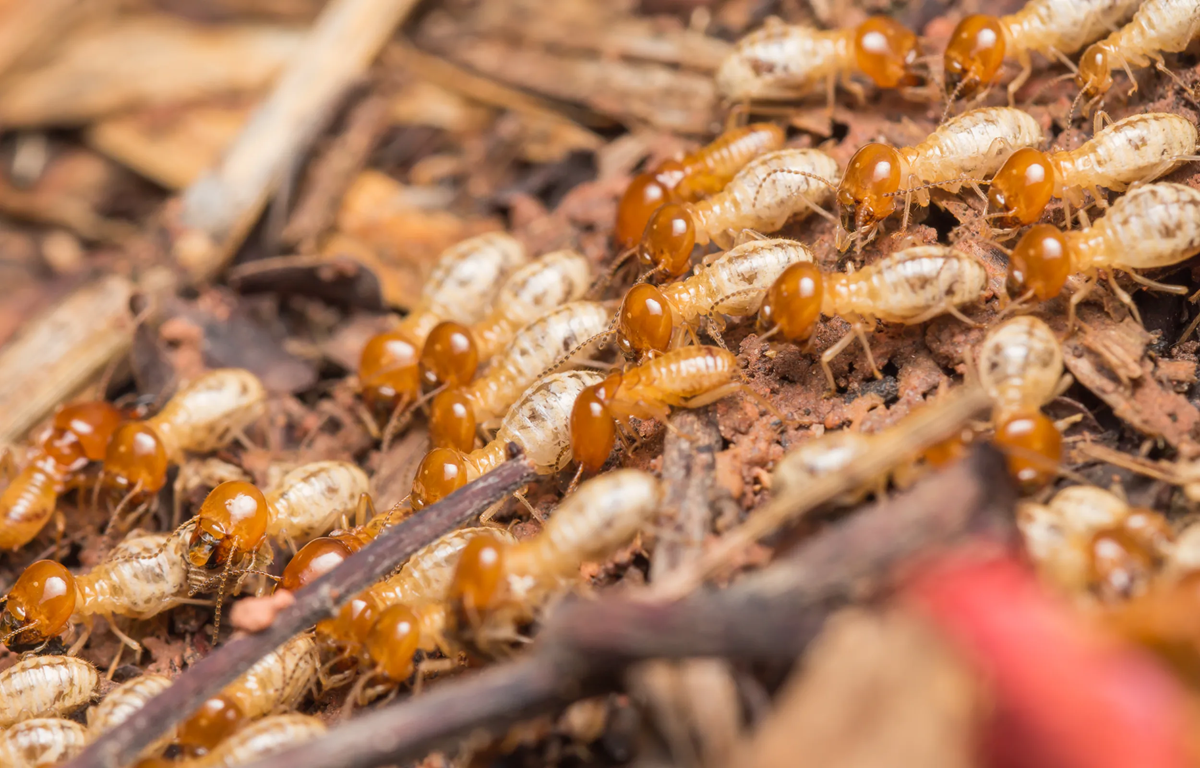
Termites cause billions in structural damage worldwide. Often confused with flying ants, termites have straight antennae and a thick waist. Warning signs include mud tubes climbing your exterior walls, wood that sounds hollow when tapped, discarded swarmer wings near windows, and frass (droppings that resemble sawdust). Professional termite treatment delhi is absolutely critical at the first sign of these pests.
Mosquitoes
Beyond the annoying buzzing and itchy bites, mosquitoes are vectors for dangerous diseases like Dengue and Malaria. Eliminate all standing water—even small amounts in plant saucers or blocked gutters—as these are their primary breeding grounds. For broader prevention, our mosquito control services can treat resting areas around your property.
Silverfish & Spiders
Silverfish are slithering, teardrop-shaped insects that feast on the starches in paper, books, and glue. Spiders, on the other hand, are predatory. While a few can help control other pests, an abundance of webs points to a larger insect problem (their food source) hidden in your home.
Furry (and Feathery) Fiends: Rodents and Wildlife
Mice and Rats
Rodents are destructive chewers. If you notice chewed electrical wires (a major fire hazard), torn insulation, pellet-like droppings, or hear scratching sounds in your walls and ceilings at night, you likely have a rodent problem.
Pigeons and Nesting Birds
While seemingly harmless outdoors, urban birds like pigeons can cause severe property damage and pose respiratory health risks through their highly acidic droppings. Look for nesting materials on AC units, balconies, and inside attic vents.
Why DIY Fails and Professional Prevention Works
While store-bought sprays might kill a few bugs on contact, they rarely reach the heart of the nest. Pests reproduce exponentially, meaning visual signs usually indicate a massive hidden population. True pest control is about Integrated Pest Management (IPM)—addressing the root cause, sealing entryways, and applying targeted, safe treatments.
Keep your home clean, manage your garbage tightly, and fix leaky pipes promptly. But when prevention isn't enough, relying on experts ensures your family's health and your property's structural integrity aren't left to chance.
Frequently Asked Questions (FAQ)
Leave a Comment
Recent Posts