How to Control Termite in Wood: Practical Solutions
Wooden furniture, doors, and structural elements add beauty to our homes. But there's a silent destroyer lurking that can turn these prized possessions into hollow shells. Termites. These tiny insects work quietly, often going unnoticed until significant damage has already occurred. If you've spotted mud tubes on walls, heard hollow sounds when tapping wood, or found discarded wings near window sills, you might be dealing with an infestation.
Understanding how to control termite in wood isn't just about protecting your property—it's about safeguarding your investment and peace of mind. The good news? With the right approach and expert help, you can tackle this problem effectively.
Why Termites Target Wooden Structures
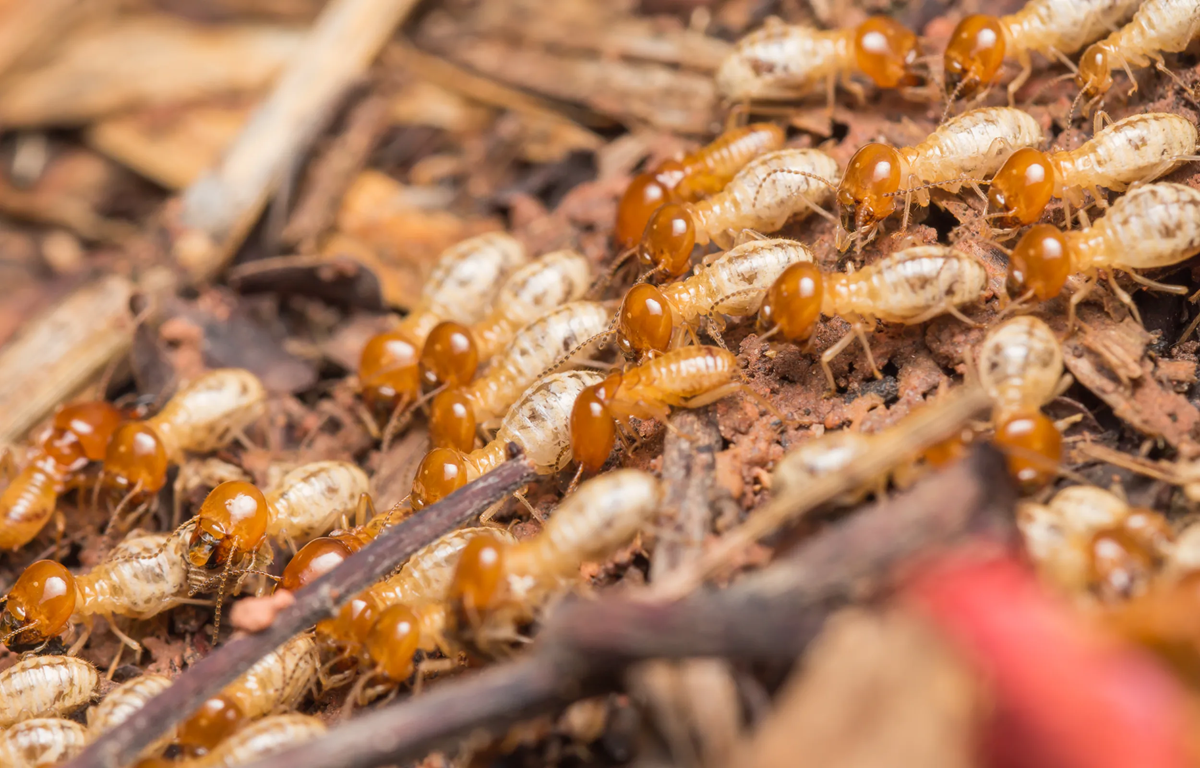
Termites feed on cellulose, which makes wood their perfect meal. They don't discriminate between expensive teak furniture and ordinary plywood. Once they find a food source, colonies can grow to millions of members. The damage happens slowly but steadily.
Many homeowners discover the problem too late. That's because termites eat wood from the inside out, leaving only a thin veneer on the surface. By the time you notice something's wrong, the internal structure may already be compromised.
Identifying the Problem Early
Before learning how to control termite in wood, you need to spot the signs. Look for mud tubes running along walls or foundations, small holes in wooden surfaces, and hollow-sounding timber when tapped. Piles of what looks like sawdust are actually termite droppings. Sagging floors or doors that won't close properly indicate serious damage.
Check vulnerable areas regularly. Basements, attics, and areas with moisture problems are prime targets. Wooden items touching soil are especially at risk.
Professional Treatment: The Most Effective Solution
When considering how to control termite in wood, professional intervention delivers the best results. Pest Guard, recognized as one of India's foremost pest control organizations with over three decades of expertise, specializes in comprehensive termite control services. Their innovative pest management program emphasizes source identification, prevention, and sanitation before implementing treatment measures.
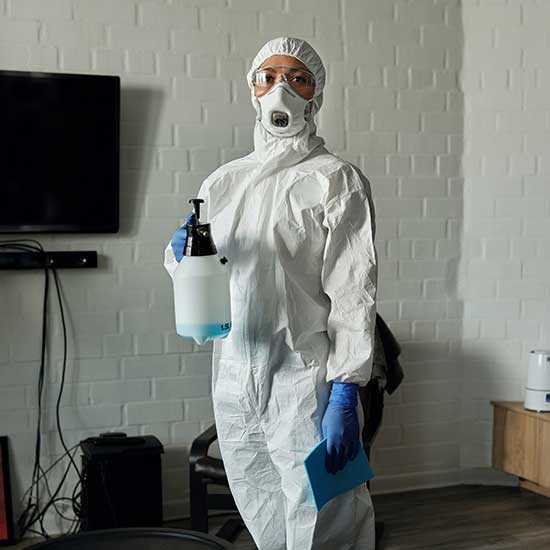
What sets professional services apart is the use of government-approved chemicals and advanced equipment. Pest Guard's highly trained and certified service technicians undergo continuous skill upgrades in line with global developments. They don't just treat the visible problem—they address the root cause.
Customized Solutions for Different Needs
Understanding how to control termite in wood means recognizing that every infestation is different. Pest Guard provides customized pest management solutions for homes, offices, factories, hotels, restaurants, hospitals, schools, and residential welfare associations. Their client base includes leading hotels, IT companies, healthcare facilities, and educational institutions.
The company's approach focuses on cost-effective treatment measures with minimal environmental impact. This matters because your family's safety is just as important as eliminating pests. Using the right chemicals in proper concentrations protects both people and property.
Why Choose Experienced Professionals
Sometimes, despite your best efforts, the problem persists. When you're serious about how to control termite in wood, bringing in experts makes the difference between temporary relief and permanent solutions. Pest Guard's reputation for reliability, quality, and integrity has been built over decades of successful treatments.
Their service technicians provide thorough inspections and never leave any stone unturned. Regular customers appreciate seeing familiar, trusted faces who understand their specific needs. The technicians call before visits, maintaining punctuality that allows families to plan their schedules accordingly.
Conclusion
Protecting your wooden structures from termites requires vigilance and prompt action. Knowing how to control termite in wood is the first step, but partnering with experienced professionals makes all the difference. Pest Guard brings over 30 years of expertise, government-approved chemicals, and certified technicians who deliver quality beyond expectations. Don't wait until the damage becomes irreversible—act now to keep your wood safe and your home protected.
Leave a Comment
Recent Posts