How to Prevent Dengue & Mosquito Breeding at Home: Practical Monsoon Defense
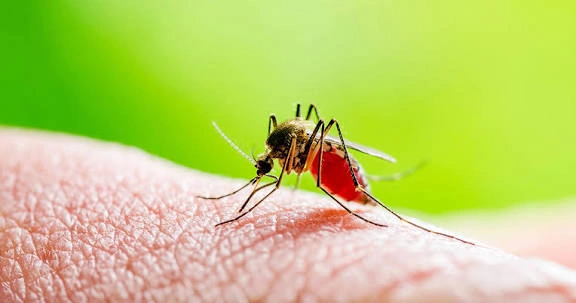
As the monsoon season transitions into autumn across Delhi NCR, public health authorities report annual surges in vector-borne diseases like Dengue, Malaria, and Chikungunya. The primary vector for dengue—the Aedes aegypti mosquito—is notoriously adapted to urban domestic environments. Unlike marsh mosquitoes that thrive in foul swamps, the dengue mosquito prefers clean, stagnant water inside our own balconies, flower pot plates, and air coolers.
Protecting your loved ones requires eliminating microscopic breeding grounds before eggs develop into flying adult swarms. While plugin vaporizers provide momentary indoor comfort, broad-spectrum residential pest control services combined with cold fogging address the source of outdoor infestations. Waking up with itchy red welts? Review our clinical guide comparing bed bug bites vs mosquito bites to verify the culprit.
High-Risk Breeding Hotspots in Indian Homes
Female mosquitoes can lay over 100 eggs in as little as a single bottle cap of standing water. Inspect these overlooked areas weekly:
- Balcony Plant Saucers & Trays: Excess water draining from indoor ornamental plants collects in bottom saucers, creating an undisturbed incubator for larvae within 48 hours. Empty and scrub these saucers every Sunday.
- AC Compressor Drain Pipes: Air conditioner drain hoses often drip onto balcony tiles, forming tiny puddles in floor corners or building masonry cracks. Redirect hose runoff straight into a drainage trap.
- Money Plants & Feng Shui Bowls: Growing plants in glass bottles filled with water is common, but unless the water is completely replaced every four days, it turns into an invisible nursery for larvae.
- Overhead Water Tank Overflow Pipes: Ensure that water tank lids are tightly fastened and overflow pipes are fitted with fine mesh netting so mosquitoes cannot enter the main domestic supply.
Professional Mosquito Management: Larvicides vs Cold Fogging
In densely populated residential societies and independent builder floors, community-level mosquito management is critical. Reputable exterminators apply bio-larvicides containing Bacillus thuringiensis israelensis (BTI) into drains, decorative fountains, and basement sumps. Bio-larvicides selectively eradicate mosquito larvae without harming birds, fish, or household pets. If you reside in high-density developments, our specialized team provides comprehensive pest control services in Gurgaon and South Delhi. Worried about chemical sensitivity? Read our safety manual on pest control safety for babies and pets.
Key Takeaways
Consistent physical source reduction—emptying stagnant containers and repairing screens—forms the frontline defense against dengue mosquitoes. Pairing these good habits with targeted professional larvicide and perimeter misting guarantees a disease-free home environment for your family. Ready to secure your building against seasonal mosquitoes? Feel free to schedule a preventive mosquito treatment with Pest Guard.
Frequently Asked Questions (FAQ)
Leave a Comment
Recent Posts
Bed Bug Bites vs Mosquito Bites: Key Differences
21 August, 2026
Post-Construction Anti-Termite Treatment Guide
16 September, 2026