A Complete Guide to Identifying and Eliminating Wood-Boring Insects
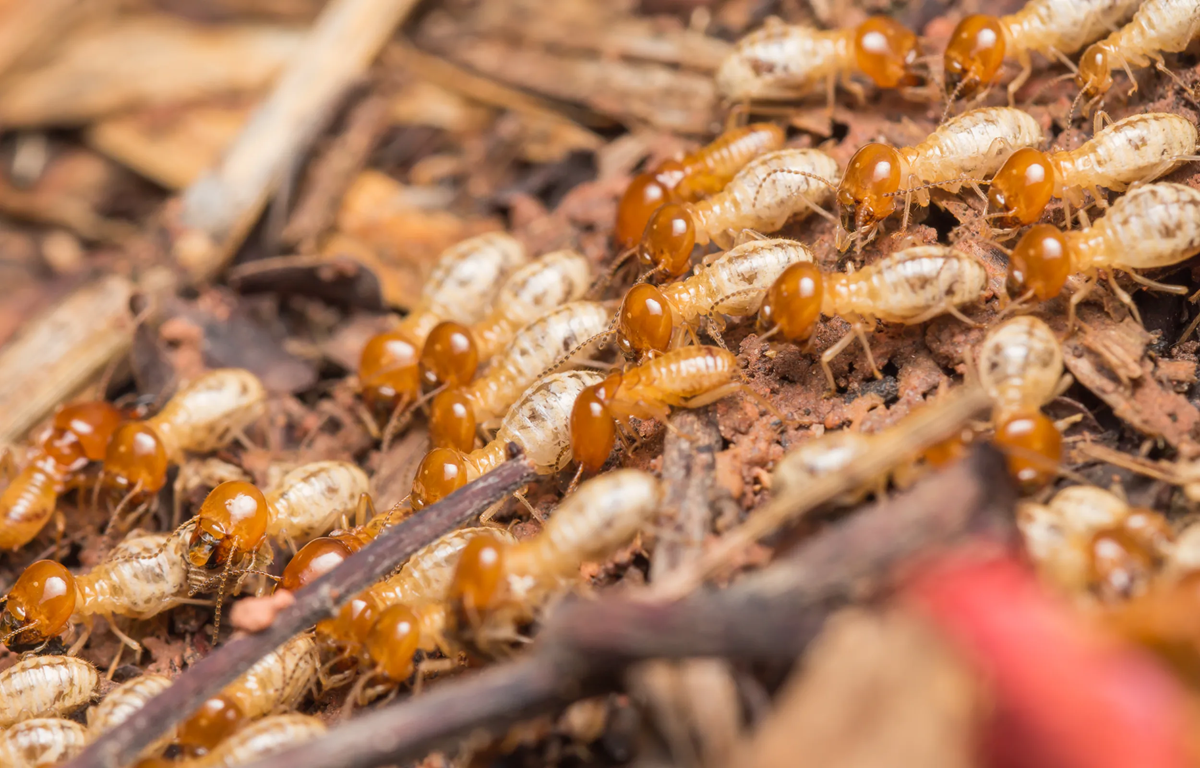
Our homes are meant to be safe sanctuaries, but if you aren't careful, the very wood holding your house together can become an all-you-can-eat buffet. While most homeowners immediately panic about termites and seek termite control delhi, there is another category of destructive critters that can wreak havoc on your furniture, hardwood floors, and structural beams: Wood-Boring Insects.
Let’s delve into the world of these silent destroyers, learn how to identify their specific damage, and explore professional strategies to reclaim your domain.
The Common Culprits: Types of Wood-Boring Insects
1. Powderpost Beetles
These are arguably the most common wood-boring insects found in homes. The larvae of these beetles bore into the wood, feeding on its starch content. They are named for the fine, flour-like dust (frass) they leave behind. They typically target hardwoods like oak, ash, and mahogany, making your expensive furniture and flooring their primary targets.
2. Longhorn Beetles
Easily identified by their impressively long antennae (often longer than their bodies), Longhorn Beetles usually prefer dying or freshly cut timber. However, the Old House Borer—a specific type of longhorn beetle—specifically targets the seasoned softwoods (like pine) used in structural framing.
3. Wood-Boring Weevils
These snout-nosed insects favor damp, decaying hardwoods and softwoods. If you have a moisture problem or poor ventilation in your basement or crawlspace, you are at a high risk for a weevil infestation. They create small, jagged exit holes and are often a secondary problem to fungal decay.
4. Carpenter Ants
While they are often grouped with wood borers, Carpenter Ants do not actually eat the wood. Instead, they excavate it to create smooth, gallery-like nests. They prefer damp wood and leave behind coarse, jagged holes accompanied by wood shavings that look like pencil shavings.
Red Flags: Signs of an Active Infestation
Because the larvae do the chewing deep inside the wood, you often won't realize you have a problem until the adult insects emerge. Keep an eye out for these telltale signs:
- Visible Exit Holes: Tiny, perfectly round or oval holes appearing on the surface of your furniture or structural beams.
- Frass (Sawdust Piles): Piles of fine, powdery dust or coarse wood shavings collecting directly beneath the exit holes or at the base of furniture.
- Weak or Crumbling Wood: Damaged areas will sound hollow when tapped with a screwdriver handle. In severe cases, the wood may simply crumble to the touch.
- Strange Noises: In the dead of night, you might actually hear a faint clicking, tapping, or crunching sound coming from inside the walls or thick wooden furniture. This is the sound of larger larvae chewing.
Taking Back Control: How to Handle an Infestation
If you spot any of the signs above, immediate action is required. DIY surface sprays are completely ineffective because the larvae live deep within the wood.
1. Identify the Intruder: Accurate identification dictates the treatment. A pest control professional can look at the shape of the exit holes and the texture of the frass to determine exactly what insect is present.
2. Moisture Control: Most wood-boring insects require a high moisture content in the wood to survive. Fixing leaks, running dehumidifiers, and improving ventilation can naturally halt an infestation.
3. Professional Borate Treatments: For deep-set infestations, professionals rely on borate-based solutions. These treatments penetrate deep into the wood fibers, killing the larvae inside and protecting the wood from future attacks.
Whether you are dealing with antique furniture or structural beams in an office, expert intervention is key. Upgrading your home pest control services to include regular wood inspections can catch these issues early. For businesses with extensive woodwork, integrating wood inspections into your commercial pest control delhi plan is highly recommended.
When to Call in the Professionals
You should never attempt to handle structural wood damage on your own. Call the experts at Pest Guard for reliable pest control delhi if:
- The infestation has spread to structural beams, joists, or load-bearing walls.
- You are unable to confidently identify the insect (termites and wood borers require very different treatments).
- The infested item is a highly valuable or irreplaceable antique.
- You require deep-penetrating insecticides or whole-structure fumigation.
By recognizing the early signs of wood-boring insects and taking appropriate action, you can safeguard your property. Remember, prevention is key! Regular inspections and addressing potential moisture issues can go a long way in protecting your precious woodwork.
Frequently Asked Questions (FAQ)
Leave a Comment
Recent Posts