Restaurant & Commercial Kitchen Pest Control: FSSAI Compliance, Hygiene & Audit Checklist
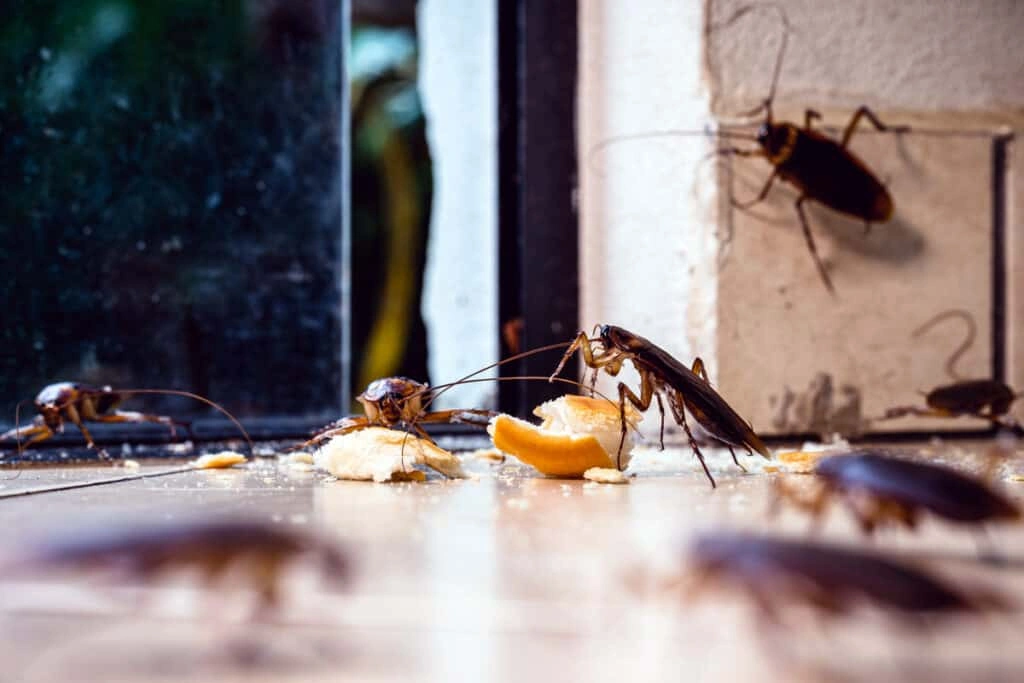
In the hospitality and food service industry, a single cockroach sighting on a dining table or a social media clip of a rodent in a pantry can shatter years of brand reputation overnight. Beyond customer trust, stringent regulatory bodies like the Food Safety and Standards Authority of India (FSSAI) mandate rigorous, documented Integrated Pest Management (IPM) protocols. Failure to maintain audit compliance can lead to hefty fines, license suspension, or immediate restaurant closure.
Commercial kitchens present a paradise for pests: constant warmth from tandoors and ovens, plentiful grease, open water drains, and round-the-clock deliveries of raw produce. Partnering with certified restaurant pest control specialists ensures full compliance without interrupting dining operations. Discover our comprehensive range of commercial pest control solutions for food businesses.
Crucial Components of an FSSAI-Compliant Kitchen IPM Strategy
Effective commercial pest defense relies on systematic prevention, continuous monitoring, and food-safe interventions:
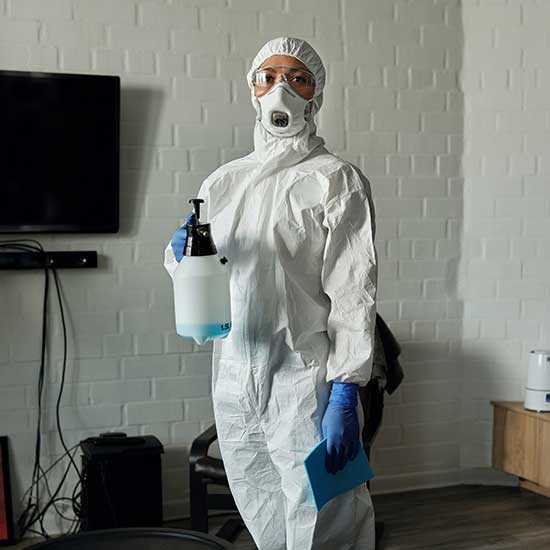
- Targeted Cockroach Gel Matrix Application: In commercial prep areas, broadcast aerosol spraying is prohibited due to food contamination hazards. Certified technicians apply high-potency, odorless insect growth regulator (IGR) gel bait behind stainless steel prep tables, motor housings of deep freezers, and dishwashing sink brackets. Explore our advanced cockroach control treatments.
- Tamper-Proof Rodent Bait Stations: Rats and bandicoots cause immense structural and inventory damage by chewing electrical cables and gnawing grain sacks. Heavy-duty, locked bait stations and glue boards are mapped strategically along dry storage corridors and delivery loading bays.
- Drain Management & Organic Slime Degradation: Commercial floor drains accumulate grease and food fats, creating fertile breeding grounds for drain flies and American sewer cockroaches. Utilizing enzymatic bio-cleansers prevents pest pupation inside pipe traps.
- Insect Light Traps (ILTs): Professional shatter-proof UV fly light traps must be mounted at 90-degree angles away from open food preparation tables to catch houseflies and gnats immediately as goods enter backdoors.
Cost-Efficient Pest Management for Commercial Kitchens
Proactive monthly service contracts cost significantly less than emergency exterminations and lost business during regulatory closures. Implementing airtight storage bins, silicone-sealing wall conduit gaps, and training kitchen staff to wipe dish pit stations every night slashes attractants dramatically. For additional cost-saving tactics, read our hospitality guide on ways for hotels and kitchens to minimize pest control expenditure.
Key Takeaways
Maintaining a pest-free commercial food establishment requires consistent staff hygiene habits paired with documented IPM pest control visits and official audit certificates. Pest Guard provides custom maintenance logs, chemical data sheets (MSDS), and discrete after-hours servicing tailored to restaurants, bakeries, cloud kitchens, and cafes across Delhi NCR. Protect your brand—book a commercial pest audit with Pest Guard today.
Frequently Asked Questions (FAQ)
Leave a Comment
Recent Posts
Ways for Hotels to Minimize Pest Control Costs
24 June, 2026
Post-Construction Anti-Termite Treatment Guide
16 September, 2026