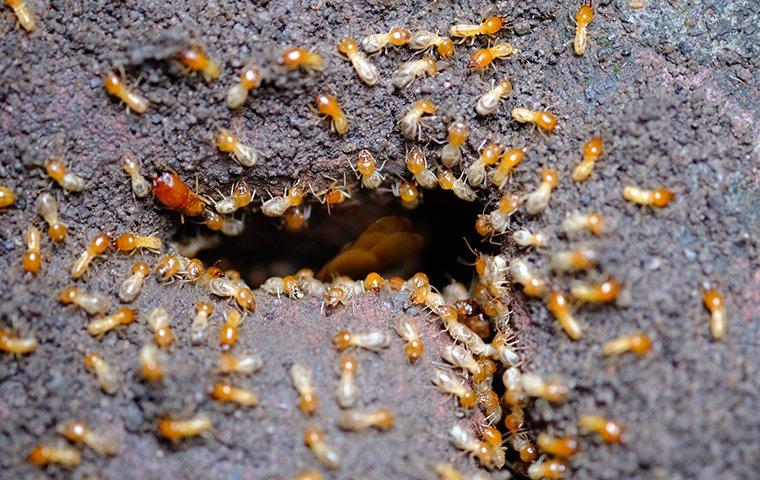
Top 11 Home Remedies to Get Rid of Termites
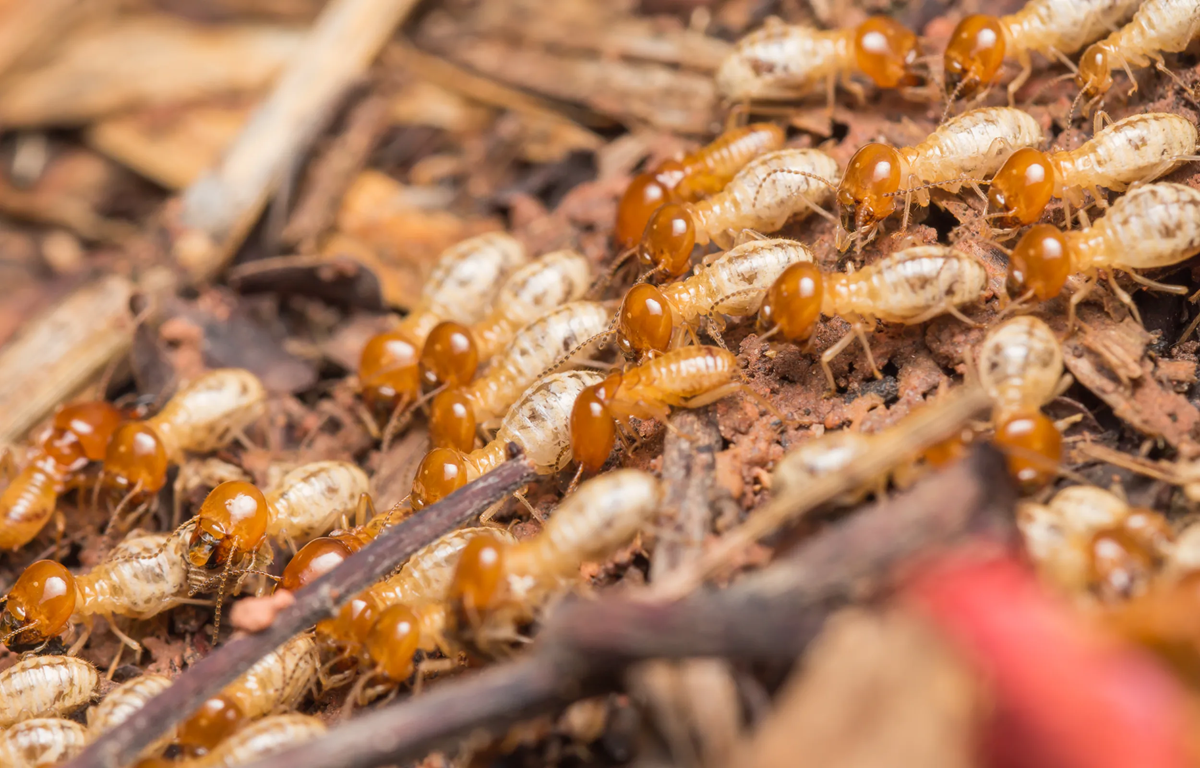
Termites are often called "silent destroyers" because they can secretly hide and thrive in your home or yard without any immediate signs of damage. These voracious insects feed entirely on cellulose—the main component of wood—which means they are literally eating away at your property's foundation. While a full-blown infestation always requires professional termite treatment delhi, catching them early gives you a chance to fight back.
In this comprehensive guide, we'll explore the top 11 home remedies that can help you battle these unwelcome intruders and protect your home.
1. Direct Sunlight Exposure
Termites thrive in absolute darkness and high humidity; UV rays and heat are their natural enemies. If you find termites in a movable piece of furniture or a wooden decor item, drag it out into the direct sunlight for 2 to 3 days. The intense heat and light will dehydrate and kill the pests within the wood.
2. Orange Oil (d-limonene)
Orange oil is extracted from orange peels and contains a highly active compound called d-limonene, which is lethal to termites. It melts their exoskeletons, causing them to dehydrate and suffocate. You can apply orange oil directly to termite galleries or drill small holes into the infested wood and inject the oil for better penetration.
3. Boric Acid
A staple in many DIY pest control arsenals, boric acid shuts down a termite's nervous system and dehydrates them. You can create a paste by mixing it with a little water and painting it onto the wood, or simply sprinkle the dry powder along baseboards, cracks, and crevices where you suspect activity.
4. Neem Oil
Neem oil works slightly differently than orange oil. It acts as an insect growth regulator, preventing termites from molting (shedding their skin), which eventually kills them. Because it must be ingested by the termites to be effective, apply it generously to the wood surface and reapply frequently.
5. Wet Cardboard Traps
Termites are instinctively drawn to two things: cellulose and moisture. A piece of wet corrugated cardboard is basically an all-you-can-eat buffet for them. Place a few wet strips of cardboard near the suspected infestation site. Once you see the cardboard swarming with termites, carefully remove it and burn it. Repeat this process until you stop catching them.
6. White Vinegar and Lemon Solution
This highly acidic mixture can act as an excellent spot-treatment and repellent. Mix half a cup of white vinegar with the juice of two lemons in a spray bottle. Spray this mixture heavily into the mud tubes or any visible entry holes in the wood. The acidity is toxic to them on contact.
7. Salt (Sodium Chloride)
Standard table salt is an effective dehydrating agent that can make an area completely inhospitable for a colony. Dissolve a large amount of salt into warm water to create a hyper-saline solution. Fill a syringe or spray bottle with this liquid and inject it deep into termite entry points.
8. Diatomaceous Earth (DE)
Food-grade Diatomaceous Earth is a natural powder made from fossilized algae. To humans, it feels like soft flour, but to a termite, it is made of razor-sharp microscopic shards. When termites crawl through DE, it slices open their waxy outer coating, causing them to dry out and die. Sprinkle it along the perimeter of your home and near damaged wood.
9. Petroleum Jelly Barrier
If you want to protect specific wooden structures (like the legs of a wooden bench or porch pillars) from subterranean termites crawling up, smear a thick layer of petroleum jelly around the base. The greasy texture makes it impossible for the termites to climb or tunnel through.
10. Beneficial Nematodes
Beneficial nematodes are microscopic, unsegmented worms that are natural parasites to termites. When introduced to your garden soil, they actively hunt down termite colonies, burrow into their bodies, and release a bacteria that kills the host within 48 hours. They are completely safe for pets, plants, and humans.
11. Clove Oil and Garlic Spray
A powerful, pungent deterrent. Mix 3-5 drops of clove essential oil with crushed garlic and water in a spray bottle. Clove oil contains eugenol, which is toxic to many insects, while garlic acts as a strong repellent to keep scout termites from investigating your home.
When to Call the Professionals
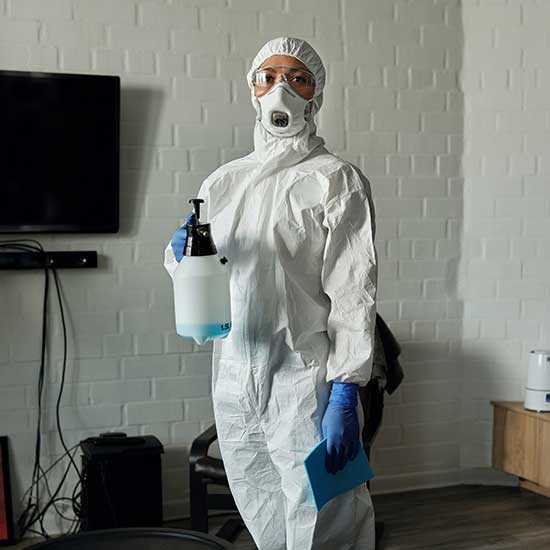
While these home remedies are excellent for small, localized problems, termites reproduce incredibly fast. If you see mud tubes spreading, hollow-sounding floorboards, or swarmer wings around your windows, the colony is likely far larger than what DIY methods can handle. In these cases, reaching out for professional termite control delhi is the only guaranteed way to save your property.
As a trusted provider of delhi pest control, Pest Guard uses advanced technology and government-approved chemicals that penetrate deep into the foundation where termites hide. Regular inspections and expert termite pest control delhi can save you thousands of rupees in structural repairs. Don't wait until the damage is irreversible.
Frequently Asked Questions (FAQ)
Leave a Comment
Recent Posts