Early Warning Signs of Termites: How to Save Your Furniture Before the Damage is Done
Termites are often called "silent destroyers" for a very good reason. They can live hidden in your walls, doors, and expensive wooden furniture for months—even years—quietly eating away at the structure without ever being seen. By the time most homeowners realize there is a problem, the wood is already irreparably damaged.
Because termite treatments and furniture replacement can be incredibly costly, early detection is your best defense. If you want to protect your property investment, keep a close eye out for these crucial early warning signs of termites.
1. Mud Tubes on Walls and Foundations
One of the most obvious signs of an infestation is the presence of mud tubes (or galleries). Subterranean termites require a highly moist environment to survive. To travel safely from their underground colonies to the wood in your home without drying out, they construct pencil-sized tubes made of dirt, saliva, and feces.
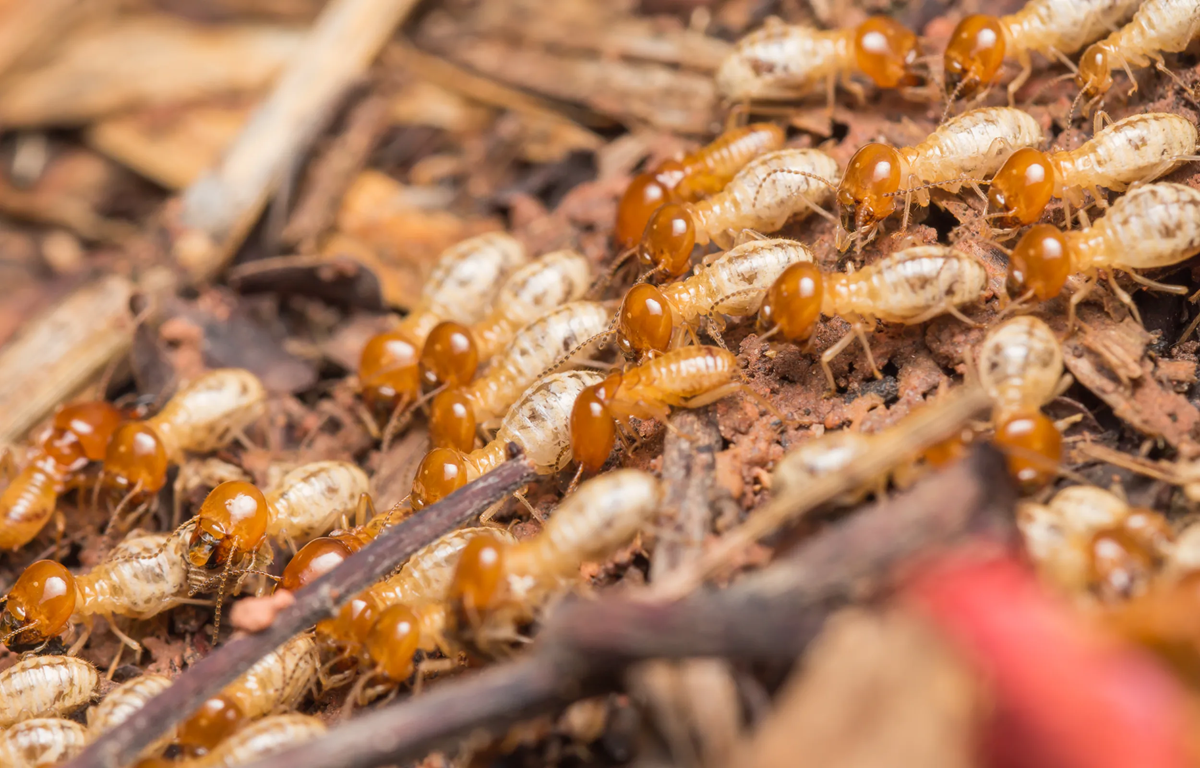
You will typically find these brown, vein-like tubes creeping up your exterior foundation walls, near baseboards, or behind heavy furniture. If you break a tube open and see tiny, pale-white insects scurrying inside, you need professional termite control immediately.
2. Hollow-Sounding Wood
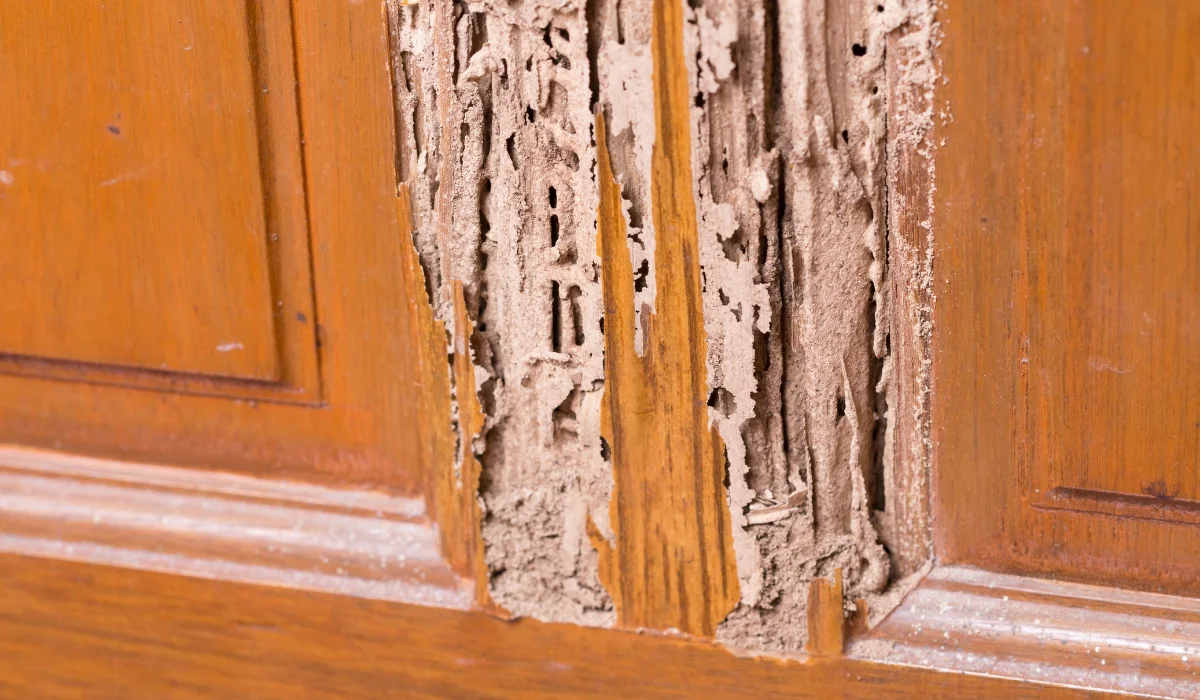
Termites usually consume wood from the inside out, leaving a thin veneer of timber or just the paint on the surface. Because of this, infested wood might look perfectly normal to the naked eye. However, if you knock or tap lightly on a wooden door frame, wardrobe, or chair and it produces a dull, hollow sound, the core has likely been eaten away.
3. Termite Frass (Droppings)
Unlike subterranean termites that use their feces to build mud tubes, drywood termites push their feces out of tiny kick-out holes near their nests. This fecal matter, known as frass, looks remarkably like fine sawdust or small, wood-colored coffee grounds.
If you constantly find mysterious little piles of "dust" forming under a piece of wooden furniture or near your window frames, even after you've swept the floor, you are likely dealing with drywood termites.
4. Discarded Wings (Swarmers)
In the period right before the monsoon season, mature termite colonies send out winged reproductive termites known as swarmers (or alates) to mate and start new colonies. Once they find a suitable spot, they twist off their wings, as they will never need them again.
Finding a pile of identical, translucent wings scattered on your windowsills or floors is a massive red flag. It means a termite colony is either already established inside your home or is actively trying to build a new one.
Dampwood vs. Drywood Termites: Why It Matters
Understanding the type of termite attacking your home is essential for choosing the right eradication method:
- Subterranean Termites: Live in the soil and build mud tubes. They cause the most severe structural damage and require heavy soil treatments and barriers.
- Drywood Termites: Do not need contact with soil and get their moisture directly from the wood they eat. These are the termites most commonly found destroying antique furniture, wardrobes, and structural beams.
How to Stop the Damage
If you spot any of these signs, do not spray regular bug killer on the wood. This will only cause the termites to scatter and hide deeper inside the furniture. Instead, you need targeted interventions. There are highly practical solutions for termites in wood, which involve professional liquid termiticides injected directly into the termite galleries to kill the colony at its source.
Key Takeaways
Termites never sleep. They eat 24 hours a day, 7 days a week. Recognizing the early signs like frass, mud tubes, and discarded wings can save your priceless furniture and structural framework. At Pest Guard, our certified experts use advanced diagnostic tools to locate hidden termite colonies and apply highly effective anti-termite treatments to protect your home for years to come.