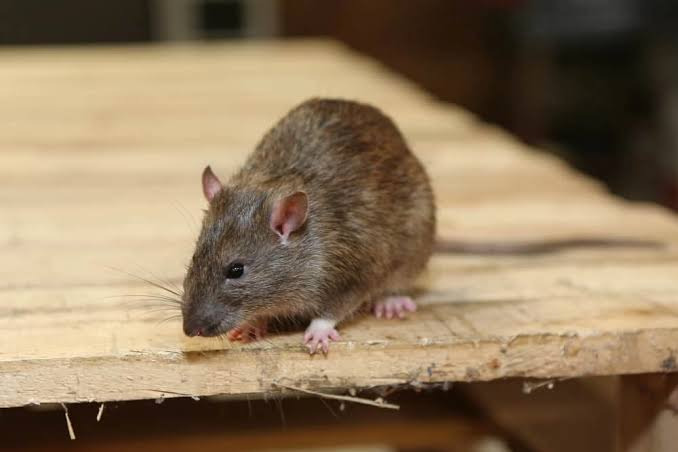
How to Keep Rats Out of Your Car Engine and Balcony: Practical Prevention
You get into your car in the morning, push the ignition button, and are greeted by dashboard warning lights, a non-responsive accelerator, or a completely dead battery. You pop the hood, only to discover severed electrical cables, shredded firewall insulation, and rat droppings scattered across your engine block. Rat damage to car wiring and electronics costs vehicle owners tens of thousands of rupees every year across Delhi NCR.
Similarly, high-rise balconies are favorite gathering spots for rodents who scale utility pipes to nest inside potted plants, AC compressor housings, and clutter. Because rodent teeth grow continuously, rats must gnaw on hard plastic, rubber hoses, and electrical conduits daily. Combining proactive deterrence with professional residential rodent and pest control is essential to protect your property. Read more on warning signs you need professional pest control before severe damage strikes.
Why Do Rats Love Car Engines and Balconies?
Understanding what draws rodents into these spaces is the first step toward keeping them out:
- Engine Bay Warmth & Shelter: When you park your vehicle after driving, the engine remains toasty warm for hours. The enclosed, dark engine bay provides a perfect windproof haven for nocturnal rats.
- Soy-Based Eco Wiring Insulation: Many modern automobile manufacturers use biodegradable, soy-based coatings on electrical wires. To hungry rodents, this wiring actually smells like an enticing organic snack.
- Balcony Plants and Bird Seed: Balconies with thick planters, loose potting soil, leftover bird feed, and stored carton boxes offer ideal nesting material and moisture.
Actionable Tips to Protect Your Car and Balcony from Rats
Implement these tested solutions to stop rodents from settling in:
- Spray Concentrated Peppermint Oil or Tobacco Spray: Rats have hypersensitive olfactory senses. Spray pure peppermint oil or an infusion of raw tobacco leaves and water around your car tires, engine bay perimeter, and under the wheel wells twice weekly.
- Install Heavy-Duty Wire Mesh on AC Ducts: Have a car mechanic fit stainless steel wire mesh over the cowl air intake vents and cabin AC ducts to physically block rats from entering your car interior.
- Avoid Parking Over Drains or Near Garbage Dumpsters: Never park overnight directly above basement stormwater grates, garden bushes, or open society garbage collection points where rodent activity peaks. Consider talking to your RWA about commercial pest control for societies and parking areas.
- Keep Balcony Floors Clear and Decluttered: Elevate potted plants on metal stands, discard empty cardboard cartons, and seal outdoor AC pipe wall holes with expanding foam or steel wool mesh.
- Professional Tamper-Proof Rodent Bait Stations: Technicians install secured, locking rodent bait boxes with weather-resistant anticoagulant blocks around parking boundaries to eliminate populations safely without risks to pets.
Key Takeaways
Rodent wire damage can lead to sudden electrical fires and catastrophic engine breakdowns. Protect your vehicle and balcony by sealing access routes, removing attractants, and utilizing repellent sprays. Discover our full range of solutions by choosing to explore our complete service offerings today.
Frequently Asked Questions (FAQ)
Leave a Comment
Recent Posts