Pre-Construction Anti-Termite Treatment: Essential Procedure, Long-Term Benefits & Approved Chemicals
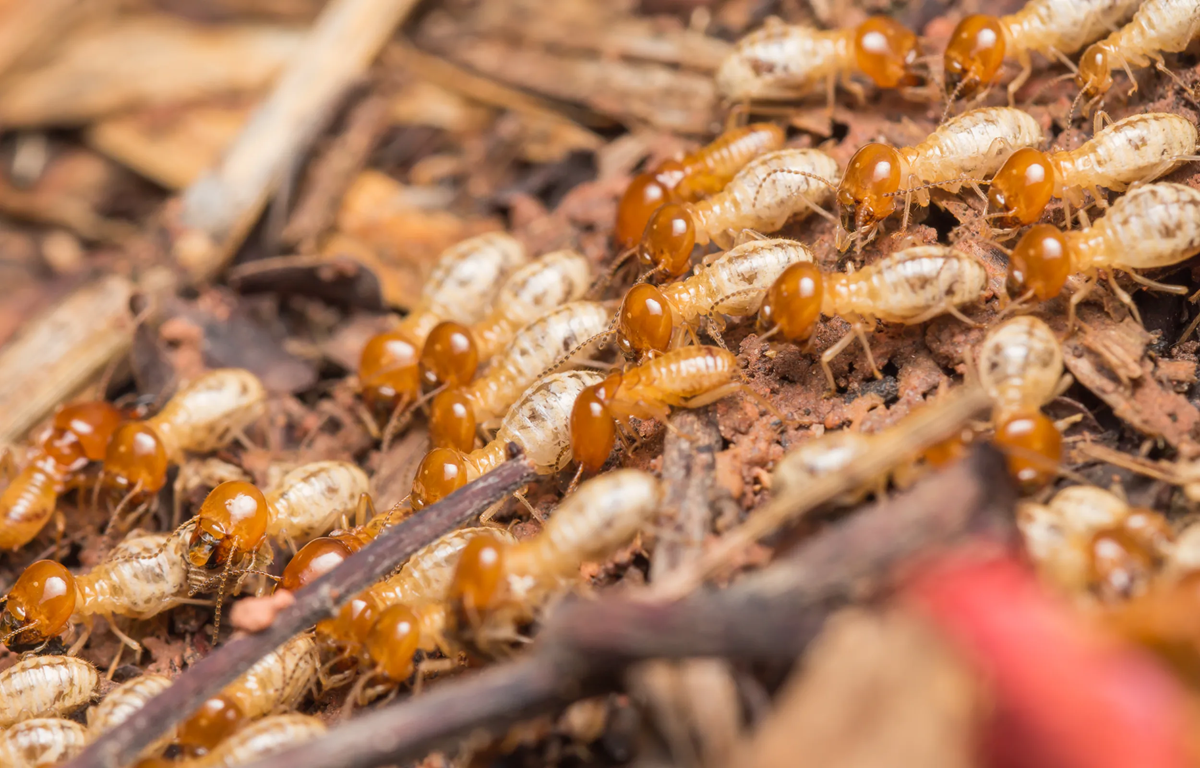
Constructing a home, commercial complex, or luxury villa is among the largest financial investments you will ever make. However, subterranean termites (often called "silent destroyers") live in soil colonies numbering in millions across Delhi NCR. Without a continuous chemical barrier installed beneath the foundation, subterranean termites can exploit micro-fissures in concrete to invade and silently devour timber fixtures, door frames, flooring, and electrical wiring.
Implementing professional **pre-construction anti-termite treatment** during the early stages of building is the single most cost-effective and permanent solution. By establishing an unbroken subterranean chemical shield, you prevent termites from ever entering your building envelope. Explore why securing certified termite control delhi experts is essential before pouring your foundation slab. Also learn how to choose the right partner in our guide on points to consider when choosing a termite pest control service provider.
1. Step-by-Step Pre-Construction Anti-Termite Procedure (IS 6313 Part 2)
Under Indian Standard specification IS 6313 (Part 2), pre-construction soil treatment must be executed systematically across four critical construction stages:
Stage 1: Bottom and Sides of Foundation Trenches
Once excavation for column footings, raft foundations, and plinth wall trenches is complete, the exposed soil bed is treated with termiticide emulsion at a rate of 5 liters per square meter of bottom surface area. The vertical sides of trenches are treated at 7.5 liters per linear meter to prevent lateral entry.
Stage 2: Treatment of Backfilled Earth
After masonry foundation walls are constructed, the backfill earth immediately adjacent to the masonry is treated along the perimeter. Holes are rodded at 150mm intervals to saturate the soil with termiticide emulsion at 7.5 liters per linear meter.
Stage 3: Sub-Grade Plinth Filling Before Floor Concreting
Prior to laying the sand bed, PCC (Plain Cement Concrete), or flooring slab, the entire consolidated plinth surface is rodded with steel bars to a depth of 300mm at 300mm grid centers. Chemical emulsion is injected evenly at 5 liters per square meter, forming an impenetrable horizontal barrier right under the entire ground floor.
Stage 4: Treatment Along External Perimeter & Utility Conduit Junctions
Once the superstructure is erected and external grading is completed, a 300mm deep trench is excavated around the entire external perimeter of the building. Holes are drilled at 150mm intervals and treated at 7.5 liters per linear meter. Special focus is given to soil around incoming plumbing, sewage, electrical conduits, and expansion joints.
2. Government-Approved Termiticide Chemicals Used
To ensure decades of protection without hazardous leaching, Pest Guard only uses termiticides approved by the Central Insecticides Board (CIB) and Bureau of Indian Standards (BIS):
- Imidacloprid 30.5% SC: A non-repellent systemic termiticide. Termites cannot detect the treated zone; they crawl through it, ingest the active ingredient, and transfer it back to the queen and nestmates via social grooming (the "Transfer Effect"), eradicating the subterranean nest entirely.
- Fipronil 2.9% SC: A premium, long-lasting non-repellent chemical that provides exceptionally durable barrier longevity in soil. Highly effective even in high-moisture ground conditions.
- Chlorpyrifos 20% EC: A traditional repellent barrier chemical that creates an active deterrent zone preventing termites from crossing treated earth.
3. Key Benefits of Pre-Construction Treatment vs Post-Construction
Treating soil during construction offers distinct advantages over dealing with termites after the building is completed:
- 100% Unbroken Continuous Barrier: You can saturate 100% of the soil beneath foundations and plinths before slabs are laid—something physically impossible after construction without drilling thousands of intrusive floor holes.
- Extreme Cost Savings: Pre-construction treatment costs a fraction of the price of emergency post-construction treatments and furniture replacement. Compare details in our analysis of termite control cost delhi ncr.
- Preserves Interior Aesthetics: Zero drilling through expensive Italian marble, designer tiles, or hardwood floors.
- Extended Multi-Year Warranty: Pest Guard provides long-term warranties (up to 10 years) with regular post-handover site inspections.
- Protects Costly Woodwork: Prevents termite destruction of modular kitchens and wardrobes; read how to control termite in wood for ongoing wood care.
4. Professional Anti-Termite Solutions for Builders and Property Owners
From individual villas needing reliable pest control in dwarka to large commercial developers seeking specialized commercial pest control delhi, Pest Guard deploys motorized chemical injection rigs, calibrated flow meters, and certified entomologists to guarantee full IS 6313 compliance.
Key Takeaways
Investing in pre-construction anti-termite treatment is the most intelligent decision you can make for any new building project. By securing the ground before concrete is poured, you safeguard your asset for decades to come. Contact Pest Guard today for site inspection and certified termite pest control delhi and termite treatment delhi solutions.
Frequently Asked Questions (FAQ)
Leave a Comment
Recent Posts