Ways for Hotels to Minimize Pest Control Expenditure Without Compromising Quality
In the competitive hospitality industry, guest satisfaction and spotless hygiene are non-negotiable. A single sighting of a cockroach in a dining hall, a rodent in the storage facility, or bedbugs in a guest suite can lead to devastating viral reviews, hefty regulatory penalties, and significant revenue loss. However, recurring emergency extermination visits can rapidly inflate operational overheads.
The secret to slashing pest management costs does not lie in cutting corners or hiring cheap, uncertified exterminators. Instead, forward-thinking hoteliers achieve massive savings through proactive preventive protocols and integrated pest management (IPM). By pairing smart daily practices with professional hotel pest control, properties in Delhi NCR can significantly cut overall expenses while elevating their hygiene ratings. Review our comprehensive hotel pest control guide for detailed operational standards.
1. Adopt Integrated Pest Management (IPM) Over Reactive Treatments
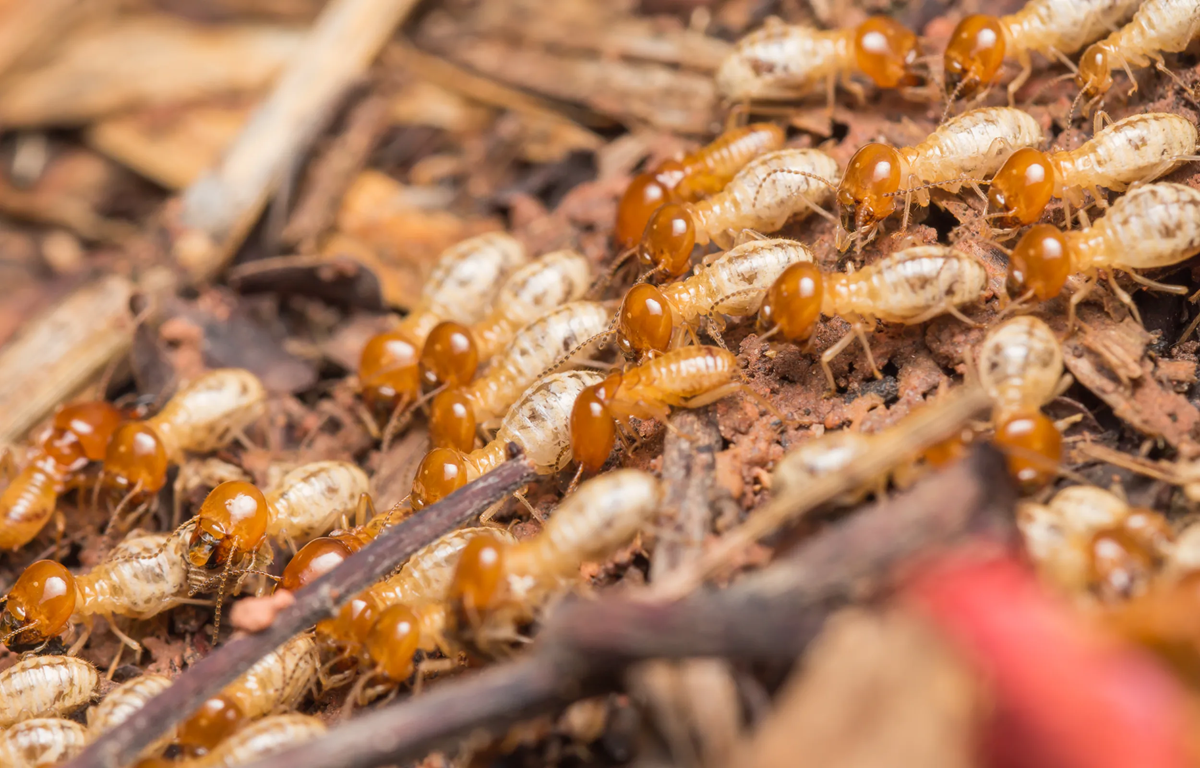
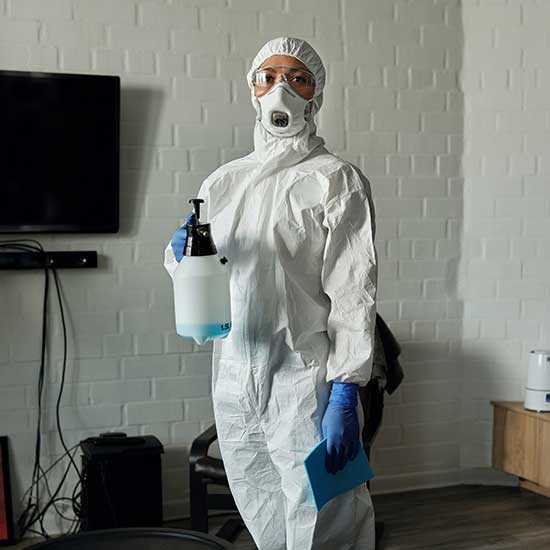
Reactive pest control—calling an exterminator only when an infestation becomes visible—is the most expensive approach a hotel can take. By the time pests are spotted in public areas, the infestation has already spread deep into wall voids, kitchens, and ductwork. Emergency treatments require heavy chemical applications, room quarantines, and multiple visits. In contrast, an IPM approach emphasizes continuous monitoring, environmental sanitization, and targeted exclusion, reducing emergency chemical interventions by up to 60%.
2. Train Housekeeping Staff in Early Pest Detection
Your housekeeping and maintenance personnel are your first line of defense. When room attendants know how to spot early warning signs—such as tiny blood spots on sheets, discarded casings, or subtle wood dust—they can alert management immediately before a minor issue spreads across entire floors. Early identification of bedbugs, for example, allows for localized treatment rather than shutting down an entire wing for extensive bed bug control delhi.
3. Implement Strict Kitchen & Restaurant Sanitation Protocols
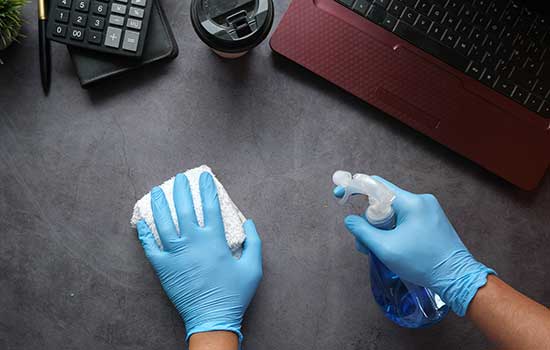
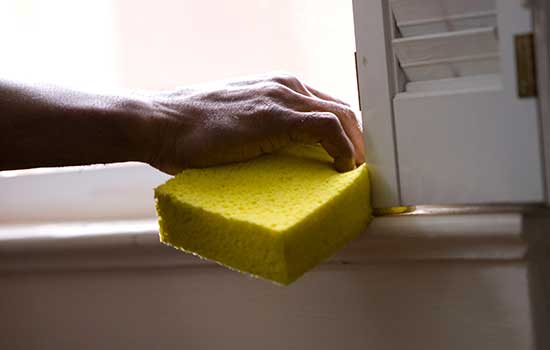
Hotel restaurants, bakeries, and banquet kitchens generate large quantities of organic waste, moisture, and warmth. Pests cannot survive without food and water. Adhering to strict daily sanitation standards denies pests sustenance:
- Deep clean under heavy cooking ranges, fryers, and dishwashers daily.
- Store all dry provisions in sealed, airtight commercial food containers.
- Empty and sanitize indoor garbage chutes and bins multiple times daily.
- Enforce routine drain cleaning with enzymatic cleaners to prevent drain fly breeding.
Integrating specialized restaurant pest control ensures compliance with FSSAI regulations while preventing costly kitchen shutdowns.
4. Structural Exclusion: Seal Building Entry Points
Pests do not spontaneously generate; they enter your building from outside through minuscule openings. Investing a modest budget in physical proofing yields immense long-term pest control savings:
- Install heavy-duty door sweeps on all service doors, loading docks, and kitchen exits.
- Seal plumbing penetrations, electrical conduits, and AC duct openings with copper mesh and silicone sealant.
- Repair cracked floor tiles and leaking pipework to eliminate standing moisture.
- Fit fine-mesh screens on air vents, exhaust fans, and kitchen windows.
5. Contract Annual Commercial Maintenance Plans (AMC)
One-off emergency callouts carry premium service rates. Setting up a customized Annual Maintenance Contract (AMC) with a trusted provider of commercial pest control delhi allows hotels to secure bulk pricing, scheduled routine audits, detailed compliance documentation, and rapid priority dispatch. Whether operating in South Delhi commercial zones or managing hospitality facilities requiring pest control nehru place, an AMC stabilizes monthly budgeting.
Key Takeaways
Minimizing hotel pest control expenditure is all about proactive prevention, staff empowerment, structural exclusion, and strategic AMC partnerships. At Pest Guard, we partner with premier hotel chains, boutique guest houses, and dining establishments across Delhi NCR to deliver cost-effective, audit-compliant delhi pest control and tailored pest control solutions that protect both your bottom line and your brand reputation.
Frequently Asked Questions (FAQ)
Leave a Comment
Recent Posts