How to Get Rid of Red and Black Ants in the Kitchen: Simple, Permanent Fixes
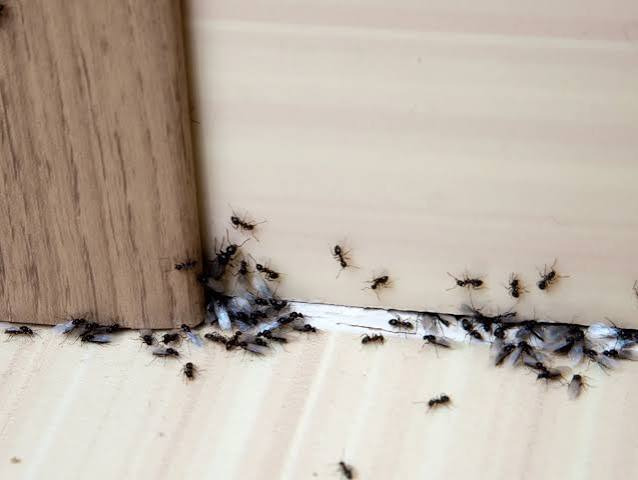
Few sights are as frustrating as walking into your kitchen in the morning and finding a long, disciplined line of ants marching across your quartz countertop straight into a jar of honey or sugar. Whether they are tiny brown sugar ants, large black carpenter ants, or painful red biting ants (locally known as laal chinti), an ant infestation in food preparation zones is a hygiene headache that seems impossible to break.
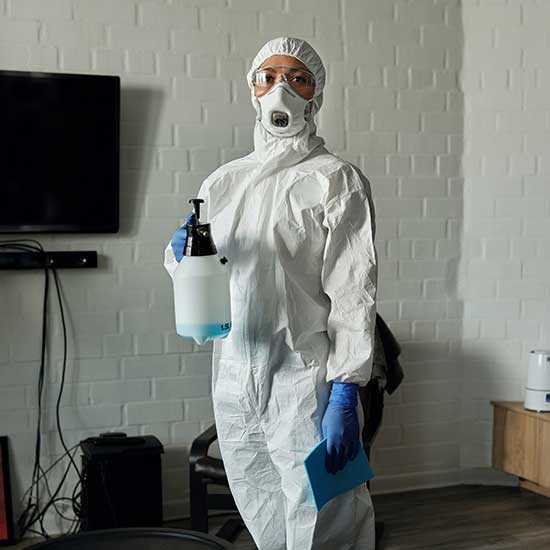
Most people grab a can of aerosol spray, blasting the visible line of worker ants. But within twenty-four hours, a brand new column of ants appears in the exact same spot. Surface sprays only kill the expendable scouts, leaving the egg-laying queen safe inside her colony deep behind your wall tiles. Achieving permanent eradication requires targeting the entire nest with home pest control services. Review our household pest identification guide to identify your specific ant species.
Why Do Ants Infest Kitchens So Aggressively?
Ants operate as complex super-organisms driven by precise biological instincts:
- Invisible Pheromone Scent Trails: When a single scout ant discovers a drop of spilled syrup or breadcrumbs, it rushes back to the nest while dragging its abdomen along the counter, depositing a chemical scent trail (trail pheromone) that hundreds of nestmates follow blindly.
- Microscopic Food Traces: Ants have extraordinarily sensitive antennae. An unrinsed chai cup in the sink or a sticky smudge on a condiment lid is more than enough to feed dozens of workers.
- Monsoon Weather Changes: During heavy rains or scorching summer heat, outdoor ant colonies get flooded or dried out, driving millions of insects indoors to seek shelter inside wall voids and electric switchboards.
Step-by-Step Strategy to Eliminate Ants Permanently
Combine these natural deterrents with strategic baiting for complete relief:
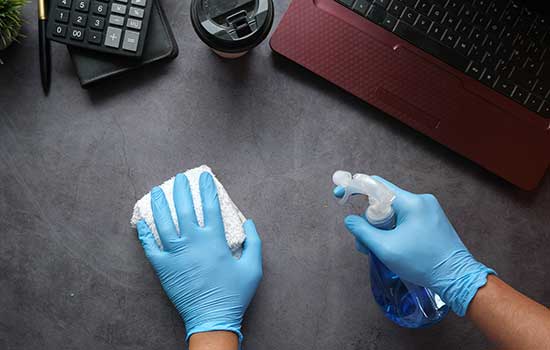
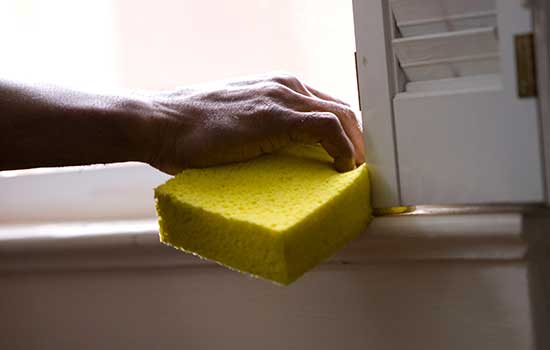
- Erase Pheromone Trails with White Vinegar: Spraying counters with water does not remove scent trails. Mix equal parts white vinegar and water with a few drops of dish soap, and wipe down your counters and backsplashes. The acetic acid neutralizes the pheromones, completely disorienting returning ants.
- Deploy Natural Repellents at Entry Points: Ants despise strong essential oils and fine powders that clog their breathing spiracles. Dust cinnamon powder, crushed cloves, or ground coffee along window sill cracks and door thresholds to block entry.
- Store All Sweets in Airtight Glass or Plastic Jars: Transfer sugar, biscuits, gur (jaggery), honey, and flour into rubber-gasket airtight containers. Wipe the rims of syrup bottles after every single pour.
- Use Slow-Acting Ant Bait Gel Rather Than Sprays: Professional ant baits contain sweet carbohydrates blended with slow-acting insect growth regulators. Worker ants ingest the bait, carry it back into the nest, and feed it directly to the queen. Within 48 to 72 hours, the entire underground nest collapses. Consult our seasonal pest control guide for Delhi NCR for monsoon ant precautions.
Key Takeaways
Killing worker ants on your countertop will never cure an ant problem. By wiping away scent trails, sealing food containers, and utilizing slow-acting bait matrices that eliminate the reproductive queen, you can permanently reclaim your kitchen. Need help with a stubborn nest? Go ahead and book a residential pest inspection with our team today.
Frequently Asked Questions (FAQ)
Leave a Comment
Recent Posts