How to Get Rid of Lizards at Home Permanently: Proven Remedies That Actually Work
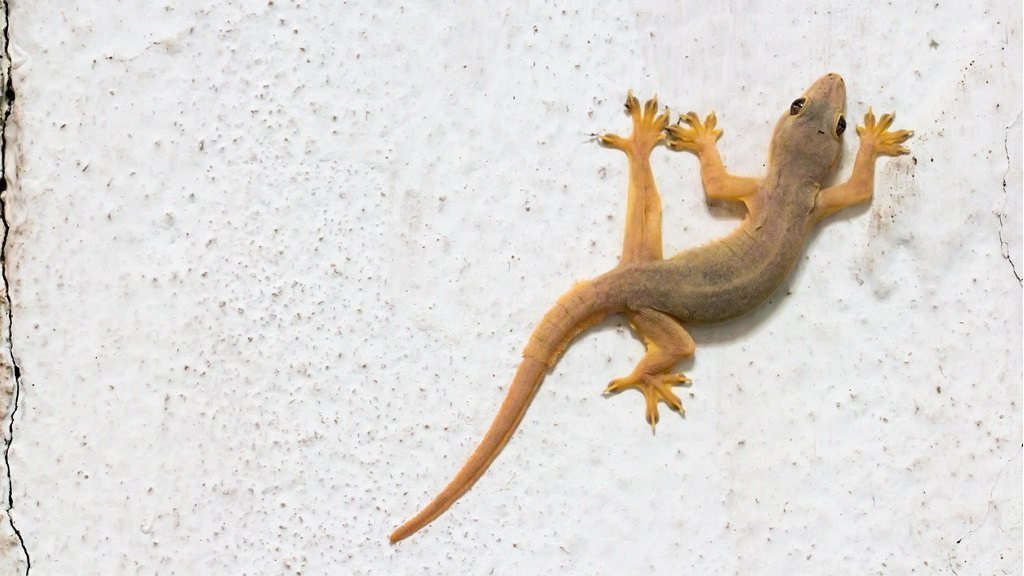
Common wall geckos (locally known as chipkali) are non-venomous and harmless to humans, but their sudden darting movements, creepy appearance, and unhygienic droppings make them one of the most detested house intruders. Finding a lizard crawling near your kitchen shelves or perched above your bedroom headboard is enough to cause widespread panic among family members.
Most people rely on temporary fixes like rolling up newspapers or throwing slippers, only to see the reptile return to the exact same wall the following evening. To keep geckos away for good, you need to understand what attracts them into your property and eliminate their food sources. Pairing smart exclusion habits with professional home pest control will ensure your walls remain clear. You can also consult our household pest identification guide to identify other insects sharing your living spaces.
Why Are Lizards Entering Your Rooms in the First Place?
Lizards do not enter homes randomly. They are strictly motivated by food, warmth, and safe hiding cracks:
- Abundance of Flying Insects: Lizards are insectivores. If your tube lights, false ceiling LED cove lights, or balcony fixtures attract moths, gnats, and mosquitoes, lizards naturally gather where hunting is easy.
- Moisture and Open Water Drops: Leaking bathroom faucets, open drain traps, and damp kitchen sinks provide essential drinking water that keeps geckos hydrated.
- Clutter Behind Wall Fixtures: Wall paintings, calendars, exhaust fan ducts, and unsealed spaces behind wardrobes provide dark, warm sanctuaries where lizards rest undisturbed during bright daylight hours.
Proven DIY Repellents That Deter Wall Lizards
You can drive geckos away using these highly effective natural deterrents:
- Pungent Garlic and Onion Sprays: Lizards possess acute olfactory receptors. Blend raw garlic cloves and chopped onions with plain water, strain into a spray bottle, and spritz behind photo frames, curtains, and switchboards. The pungent sulfur vapors drive them away instantly.
- Eggshell Strategy: Place clean, dry eggshells in kitchen corners and window sills. Lizards associate eggshells with larger predator birds and instinctively flee the territory.
- Ice-Cold Water Stun Method: If a gecko refuses to leave a room, spray it with ice-chilled water from a spray bottle. Lizards are cold-blooded ectotherms; sudden icy temperatures temporarily immobilize them, allowing you to trap them under a cardboard box and release them safely outside.
- Eliminate the Primary Prey with Insect Control: The ultimate secret to permanent lizard eradication is starving them out. When you apply natural home remedies for mosquito control and eliminate crawling insects, lizards have zero reason to linger inside.
Key Takeaways
Lizards only infest spaces where food and water are readily accessible. By sealing window mesh gaps, applying natural pungent repellents, and booking comprehensive general pest control services to clear out underlying insect colonies, you can enjoy a completely lizard-free home year-round.
Frequently Asked Questions (FAQ)
Leave a Comment
Recent Posts