Found Bugs in Your Atta, Rice or Dry Fruits? What Should You Do?
A small moth near the kitchen cupboard or an insect inside an atta packet can turn an ordinary cooking session into a full shelf inspection. Festival shopping often means several packets of nuts, flour and snacks arrive together, making it harder to remember which item was opened first.
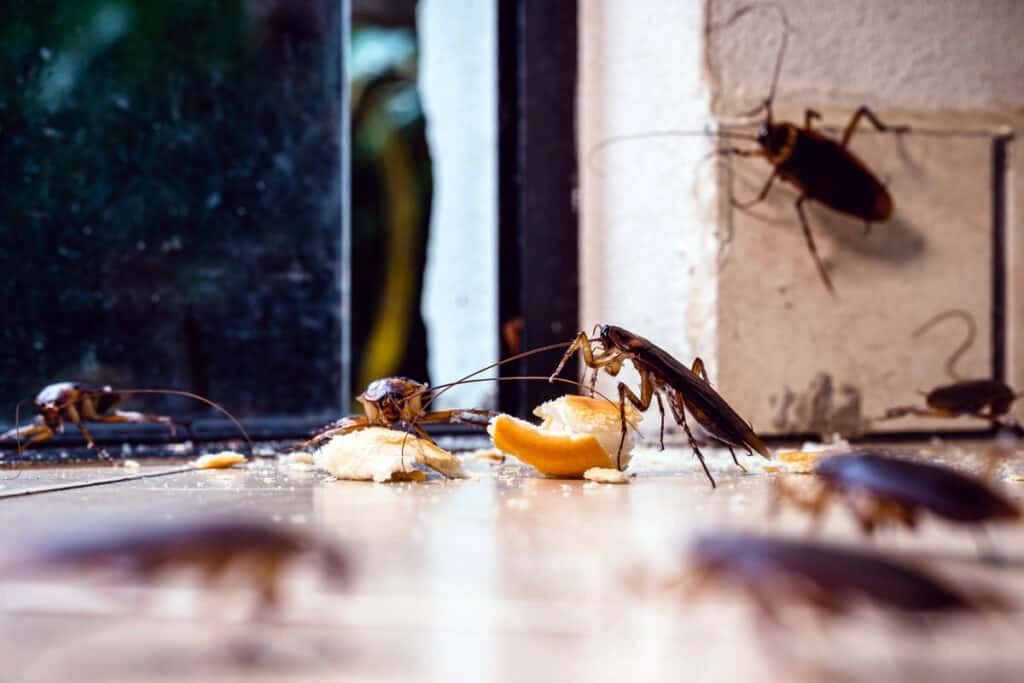
Stored-food insects are different from a cockroach wandering across a shelf. Pantry moths and beetles can be associated with dry foods, so identifying the insect matters before deciding how to respond. Compare your findings with our household pest identification guide rather than treating every cupboard problem in the same way.
Which Food Packets Could Be Hiding Pantry Pests?
Check flour, rice, pulses, spices, cereal and dry-fruit packets individually. Look for live insects, larvae, webbing or unusual material inside the food. Inspect folds and seams as well as the contents. Keep the outer packet where possible so you can record the batch and purchase date.
Place suspect items in a separate closed container while you finish checking. Do not mix a new purchase into an older jar until both have been inspected. This also makes it easier to discuss a potentially affected batch with the seller.
What Should You Remove Before Cleaning the Cupboard?
Set aside visibly infested food for disposal in a securely closed bag. Avoid trying to solve an infestation by spraying the food or the inside of its packaging. Check nearby unopened packets too; being on a different shelf does not make them exempt from inspection.
For readers comparing several kitchen pests, our article on cockroaches in the kitchen explains a separate problem that needs its own assessment. Photograph the actual insect when possible so a technician can avoid guessing from the location alone.
How Can You Reset Your Pantry Without Missing a Problem Packet?
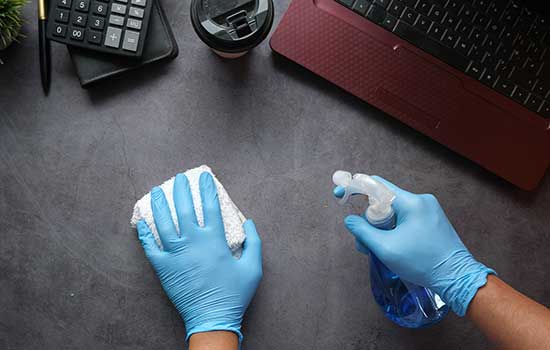
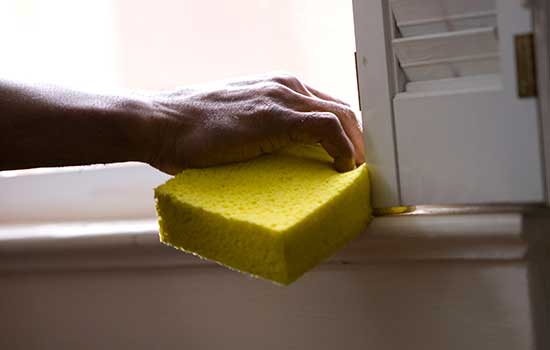
Empty the affected shelf and note exactly what came from it. Clean accessible seams and corners, then allow surfaces to dry before returning suitable containers. Check shelf-liner edges and damaged hinges where food fragments may have collected.
Keep the cleaned shelf clear while you inspect its contents. If you immediately stack everything back into place, it becomes difficult to tell whether later evidence came from an overlooked packet or another part of the cupboard. A staged reset makes the follow-up simpler.
How Can You Make Your Next Pantry Check Easier?
Use containers with sound, well-fitting lids and label them with the contents and opening date. Buy quantities your household can reasonably use and position older stock at the front. Keep occasional-use baking ingredients together so they do not disappear behind daily essentials.
Assign one short weekly check to a specific person. Inspect the same shelves and note new sightings. If insects keep appearing after affected food has been removed, discuss the pattern with a residential pest control team. Ask what further identification or inspection is needed before any treatment is proposed.
Why Do Pantry Pests Keep Appearing After You Clean?
Repeated activity in several cupboards may require a closer look at overlooked stock, pet food or a shared storage area. If the pantry belongs to an office or food business, arrange a commercial pest control assessment and retain a written record of affected items and corrective work.
When you contact Pest Guard, mention the product types, purchase dates, rooms affected and what you have already removed. That information helps focus the visit on the source rather than a general spray around an otherwise organised kitchen.
What Else Should You Know About Bugs in Stored Food?
Further reading: UC IPM guidance on pantry pests and affected stored foods.
Leave a Comment
Online comments are not enabled. Please use the Contact page for enquiries.