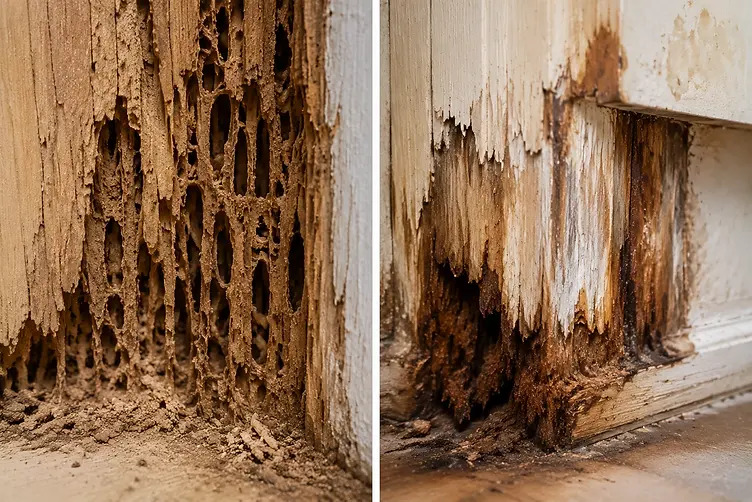
Termite Damage vs Water Seepage / Dampness: How to Spot the Real Culprit
You notice peeling paint, bubbling plaster, or discolored brown patches along the base of your living room wall. Your immediate instinct might be to call a plumber or waterproofing contractor to fix hidden moisture seepage. However, upon peeling back the loose paint, you might uncover hollow drywall or brown dirt tunnels. Homeowners across Delhi NCR frequently confuse subterranean termite damage with simple masonry dampness (locally termed seelan).
Both problems cause paint to blister and wood to warp, and worst of all, termites are actively attracted to moisture seepage! Treating for waterproofing while ignoring an active termite colony allows the insects to continue feasting on your door frames and wardrobes undetected. Booking a professional termite treatment inspection is critical. Learn more about how to remove termites from walls effectively.
Key Clues That Point to Water Seepage and Dampness
If the wall issue is purely plumbing or seasonal moisture, you will notice these characteristics:
- Cold, Wet Touch and High Moisture: A wall suffering from plumbing seepage feels cold and damp when touched with the back of your hand. Paint blisters usually contain trapped liquid bubbles.
- White Chalky Efflorescence: Water leaching through brickwork brings mineral salts to the plaster surface, leaving behind a white, powdery crystalline crust called efflorescence.
- Musty Mildew Odor & Black Mold: Persistent moisture breeds dark green or black mold spots accompanied by a stale, damp basement odor.
Tell-Tale Indicators of an Active Termite Infestation
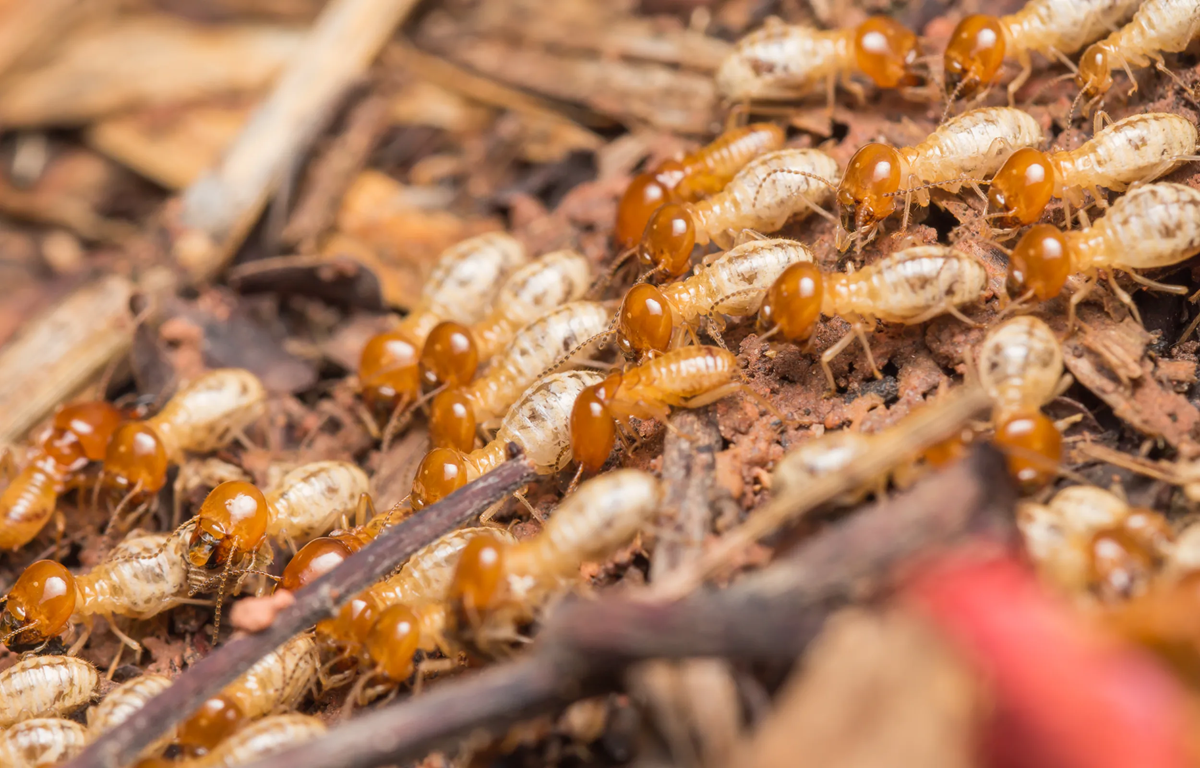
Subterranean termites leave unique biological signatures that water alone never produces:
- Brown Mud Tunnels on Plaster: Subterranean termites require continuous humidity. To travel across open masonry walls, they construct pencil-thick earthen shelter tubes (mud tunnels) made of soil, saliva, and wood particles.
- Hollow, Paper-Thin Wood and Skirting: Tap on wooden baseboards, door frames, or laminate panels with a screwdriver handle. If the wood sounds hollow or crumbles into a paper-thin shell with zero resistance, termites have eaten the cellulose core.
- Tiny Pinholes in Drywall: Termites create tiny, pinhead-sized exit holes in wall putty, sealing them with small brown specks of dirt.
- Discarded Swarmer Wings: Finding heaps of translucent, silvery insect wings on window sills after monsoon rain indicates winged reproductive termites (alates) have swarmed inside your property. Check our review of home remedies to get rid of termites and compare realistic treatment costs in our guide on termite control cost in Delhi NCR.
Key Takeaways
Water seepage and termites frequently go hand in hand because termites target damp masonry. Never paint over bubbling plaster without tapping the baseboards for hollow sounds. If you spot mud tubes or crumbling wood, call certified exterminators immediately to stop colony progression before your structural woodwork is compromised.
Frequently Asked Questions (FAQ)
Leave a Comment
Recent Posts